
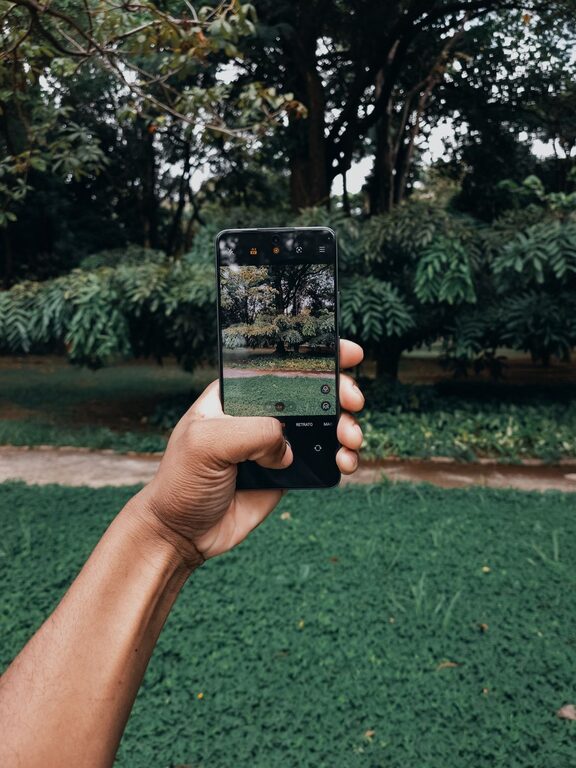
Taking great photos with your phone doesn’t require expensive gear or professional training. With a few simple tips and a little practice, you can capture clearer, more vibrant images that you’ll be proud to share. Whether you’re snapping everyday moments or trying to create artistic shots, these beginner tips will help you make the most of your phone’s camera.
Understand Your Phone Camera Basics
Before diving into advanced techniques, it’s important to get familiar with your phone’s camera features.
– Explore Camera Modes: Most smartphones offer multiple modes like panorama, portrait, and night mode. Experiment with these to see how they affect your photos.
– Adjust Focus and Exposure: Tap on the subject on your screen to focus. Many phones allow you to slide your finger up or down to increase or decrease exposure (brightness).
– Use the Highest Resolution: Check your camera settings to ensure you’re shooting at the highest resolution available. Higher resolution means better image quality and more details.
Keep Your Lens Clean
The simplest way to improve your photos is to clean the lens regularly. Phone lenses attract fingerprints, dust, and smudges, which can cause blurry or hazy images.
– Use a microfiber cloth or lens cleaning wipe.
– Avoid using harsh chemicals or rough fabrics.
Pay Attention to Lighting
Lighting can make or break a photo. Good lighting enhances colors and details, while poor lighting can lead to grainy or dull images.
– Natural Light is Your Friend: Whenever possible, shoot in natural light. The soft light of early morning or late afternoon (known as the golden hour) adds warmth and depth to your photos.
– Avoid Harsh Lighting and Shadows: Midday sun can create strong shadows and highlights. If shooting in bright sunlight, try finding shade or use your hand to cast a softer shadow over your subject.
– Use Indoor Lighting Wisely: When indoors, try to position your subject near windows or light sources. Avoid mixing different light colors (like fluorescent and incandescent) to keep your photo colors balanced.
Compose Your Shot Thoughtfully
Good composition can turn an ordinary scene into a compelling photo.
– Follow the Rule of Thirds: Imagine your screen divided by two horizontal and two vertical lines into nine sections. Place your subject along these lines or at their intersections for a balanced, interesting photo.
– Use Leading Lines: Look for roads, fences, or pathways that lead the viewer’s eye toward your subject.
– Frame Your Subject: Use doorways, windows, or trees to frame your subject, creating depth and focus.
– Keep the Background Simple: Avoid cluttered backgrounds that distract from your subject.
Hold Your Phone Steady
Blurry photos are often caused by shaky hands.
– Use both hands to hold your phone firmly.
– Tuck your elbows close to your body for extra stability.
– Lean against a wall or steady object when possible.
– Consider using a small tripod or a phone stand for added stability.
Experiment with Angles and Perspectives
Don’t just shoot from eye level — changing your angle can add interest.
– Try shooting from above (a bird’s-eye view) to capture patterns or arrangements.
– Get down low for a unique perspective.
– Move around your subject to find the most flattering or dynamic viewpoint.
Use Zoom Sparingly
Digital zoom can degrade image quality and make photos appear pixelated.
– Instead of zooming in, try moving closer to your subject.
– If you must zoom, do so only slightly.
– Some newer phones have optical zoom, which maintains quality—check if your device supports this.
Edit Your Photos
Post-processing can enhance your photos without requiring advanced skills.
– Use built-in phone photo editors or free apps like Snapseed or Lightroom Mobile.
– Adjust brightness, contrast, and saturation to make your photo pop.
– Crop or straighten your images for better composition.
– Avoid over-editing, which can make photos look unnatural.
Practice Regularly
Photography is a skill that improves with practice.
– Challenge yourself to take photos in different lighting and settings.
– Review your photos and learn what works and what doesn’t.
– Don’t be afraid to take lots of pictures and experiment.
Conclusion
Taking better photos with your phone is within everyone’s reach. By understanding your camera’s features, paying attention to lighting and composition, and practicing regularly, you can capture beautiful images that preserve your memories and express your creativity. Happy shooting!