
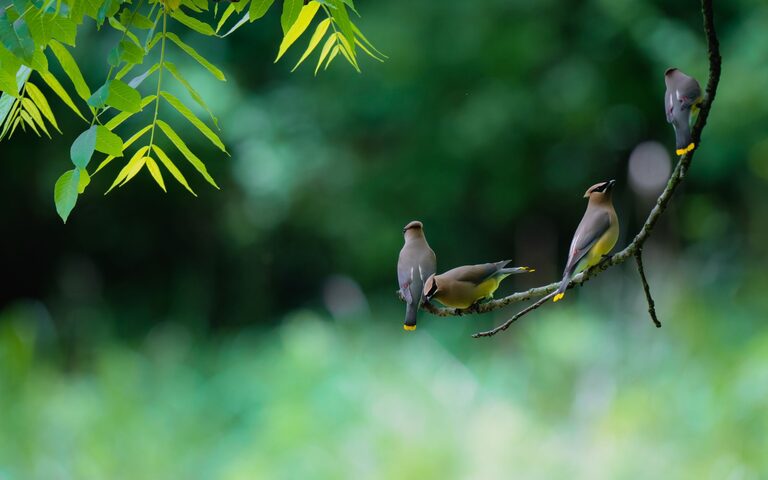
Birdwatching is a relaxing and rewarding hobby that lets you connect with nature without leaving your home. Whether you have a spacious yard or a small balcony, you can create an inviting space for birds and learn to identify different species. If you’re new to birdwatching, these beginner tips will help you get started on the right foot.
Why Backyard Birdwatching?
Birdwatching in your backyard offers several benefits:
– Convenience: No need to travel far; enjoy nature right outside your door.
– Relaxation: Watching birds can reduce stress and boost mindfulness.
– Learning opportunity: Observe bird behavior and learn about local species.
– Environmental awareness: Support local wildlife by providing food and shelter.
With just a bit of effort, anyone can attract birds and enjoy their presence daily.
Getting Started: Essential Supplies
To start birdwatching comfortably, consider gathering a few simple items:
1. Bird Feeder
A feeder attracts birds by offering food. There are different types:
– Tube Feeders: Great for small songbirds like finches and chickadees.
– Platform Feeders: Attract larger birds and allow a variety of species.
– Suet Feeders: Ideal for woodpeckers and nuthatches.
Place feeders in a quiet spot visible from a window or outdoor seating area.
2. Birdbath
Birds need water for drinking and bathing. A birdbath encourages more visits. Choose a shallow dish and keep water fresh to prevent mosquito breeding.
3. Field Guide or Bird Identification App
To identify the birds you see, use a field guide book or a smartphone app. Apps often include photos, sounds, and range maps, making identification easier.
4. Binoculars
A pair of binoculars brings distant birds into clear view. Look for lightweight models with moderate magnification (6x to 8x) that are easy to handle.
Attracting Birds to Your Backyard
Creating a bird-friendly environment involves more than just food. Here are ways to make your yard appealing:
Provide Native Plants
Native plants offer natural food sources like seeds, berries, and nectar. They also attract insects, which many birds eat.
Offer Shelter and Nesting Spots
Birds seek safe places to rest and build nests. Consider adding:
– Shrubs and dense trees
– Nest boxes for species like bluebirds or chickadees
– Brush piles or leaf litter for ground feeders
Keep Cats Indoors
Outdoor cats can harm birds. Keeping pets indoors helps protect your local bird population.
Maintain Clean Feeding Areas
Regularly clean feeders and birdbaths to prevent disease. Use mild soap and rinse thoroughly.
Tips for Successful Birdwatching
Be Patient and Observe Quietly
Birds may take time to visit new feeders. Stay still and avoid sudden movements or loud noises.
Keep a Birdwatching Journal
Record the species you see, dates, and behaviors. Over time, this journal becomes a personal nature diary.
Learn Bird Behavior and Calls
Birds communicate through songs and calls. Recognizing these sounds helps identify species even without a visual.
Join Local Birdwatching Groups
Community groups offer support, field trips, and knowledge sharing. Connecting with others can enhance your experience.
Common Backyard Birds to Look For
Depending on your region, you may see a variety of birds such as:
– Northern Cardinal
– American Robin
– Blue Jay
– Mourning Dove
– Black-capped Chickadee
– House Finch
– Downy Woodpecker
Use your field guide to learn about the habits and needs of each.
Seasonal Birdwatching
Bird populations change with the seasons due to migration:
– Spring: Many birds return for breeding; nests and young birds are common.
– Summer: Watch for feeding behavior and fledglings.
– Fall: Migration begins; you may see species passing through.
– Winter: Fewer species remain; feeding birds is especially helpful.
Adjust your feeding and observation accordingly.
Final Thoughts
Backyard birdwatching is a delightful and accessible hobby for all ages. By creating a welcoming environment and learning about the birds around you, each day can bring new discoveries. Start small with a feeder and a good field guide, and soon you’ll enjoy the sights and sounds of your feathered neighbors.
Happy birdwatching!